Your website is your hardest-working team member. It shows up at 2 a.m., answers questions, builds trust with strangers, and either convinces someone to reach out or sends them somewhere else.
So here's the honest question: is yours doing that job well?
Web design has shifted in a big way. The businesses winning online right now are not the ones with the flashiest sites. They are the ones whose websites feel clear, fast, personal, and built for real people.
What “Good Web Design” Actually Means Right Now
A beautiful website that loads slowly, breaks on mobile, or confuses visitors is not a good website. It's a liability.
75% of users judge a company's credibility based on its website design, and nearly 94% of first impressions are design-related.
Users form an opinion in about 0.05 seconds. After that, you have only a few seconds to prove your site is worth their time. If your site takes longer than about 3 seconds to load, a majority of users will leave.
Poor layout, confusing structure, and weak calls-to-action remain some of the biggest reasons visitors drop off.
The Biggest Shift in 2026: Human-Centered Design
Modern web design is no longer about looking impressive. It's about feeling intuitive.
In 2026, trends are focused on speed, clarity, personality, and usability. That includes expressive typography, organic layouts, and thoughtful interaction design.
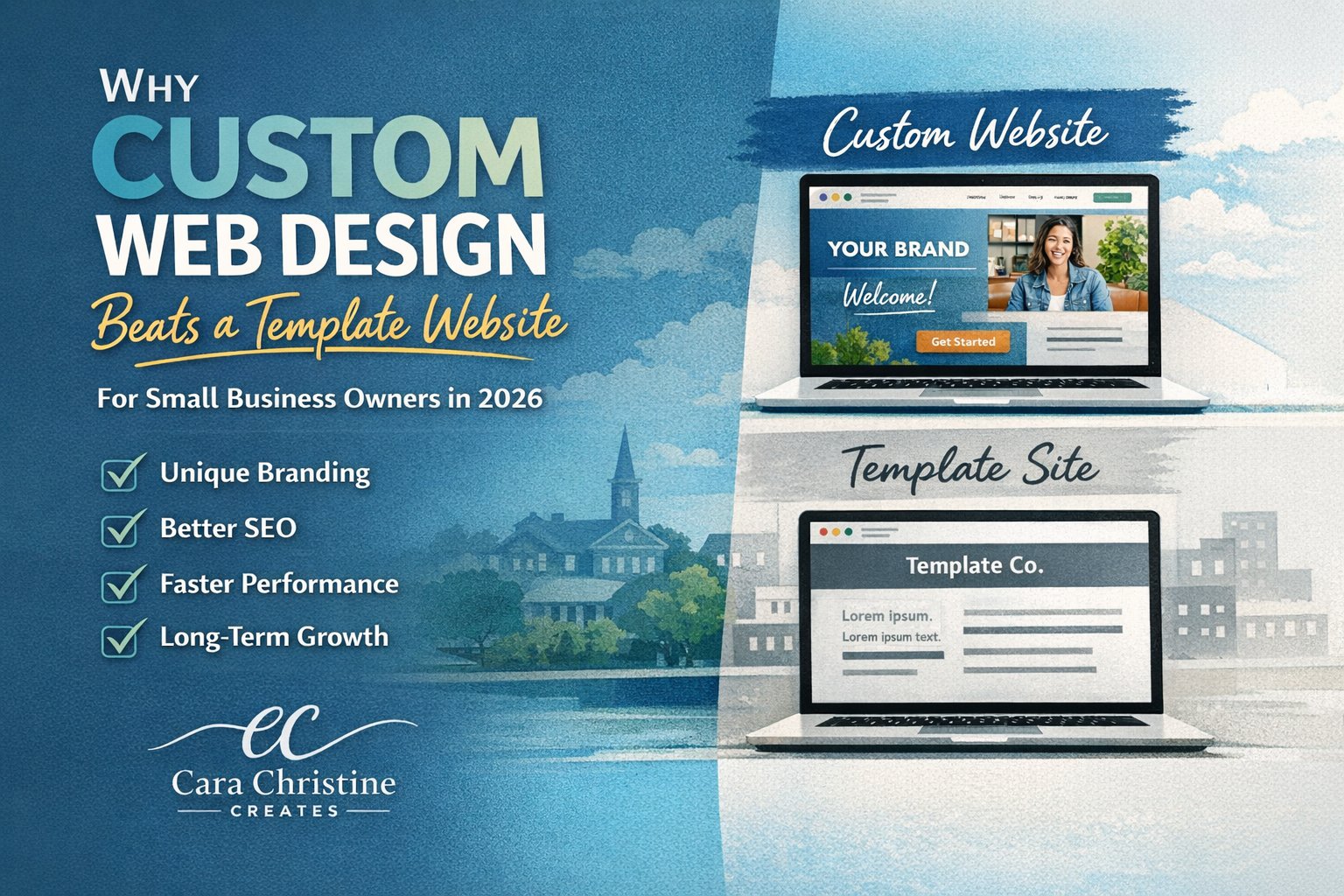
For small businesses, this means your website should feel like you — not like a template. A strong website reflects your brand voice, builds trust quickly, and guides users naturally toward action.
The Three Things Your Website Must Get Right
1. Speed and Mobile Performance
This is non-negotiable.
53% of users abandon a site if it takes longer than 3 seconds to load, and mobile users are even less patient. Additionally, 88% of users are less likely to return after a bad experience.
Mobile-friendly design directly impacts search rankings, making performance critical for both user experience and SEO.
2. Clear, Purposeful Typography and Visuals
Typography in 2026 is doing more than delivering information — it's shaping experience.
Strong headlines should immediately answer:
- What you do
- Who you help
- Why it matters
Visuals should reinforce trust. Real photos, real work, and real results consistently outperform generic imagery.
Clarity converts more than complexity.
3. Micro-Interactions and Functional Animation
Small animations — like hover effects, button feedback, and scroll transitions — make a website feel responsive and intuitive.
In modern UX, animation is not decoration. It is functional. It helps guide users, reinforce actions, and improve usability.
The key is restraint. Animation should support the experience, not slow it down.
Accessibility Is No Longer Optional
Accessibility has become a standard expectation in modern web design.
- High contrast color palettes
- Mobile responsiveness
- Screen reader compatibility
- Clear navigation structures
Accessible websites also perform better in search engines and load more efficiently, making them a win for both users and SEO.
DIY vs. Professional Web Design
A DIY website is fine — if it's working.
But many small businesses operate websites that are technically live but not actually converting.
Users consistently rank easy navigation and modern design as top priorities. If your site feels outdated or confusing, users will leave — regardless of how good your service is.
A well-designed website is not a luxury. It directly impacts whether someone contacts you or moves on.
What Great Small Business Websites Look Like in 2026
- Fast
- Mobile-first
- Clear within seconds
- Visually engaging but simple
- Built around real user behavior
Your website should make it effortless for someone to take the next step — whether that's calling, booking, or reaching out.